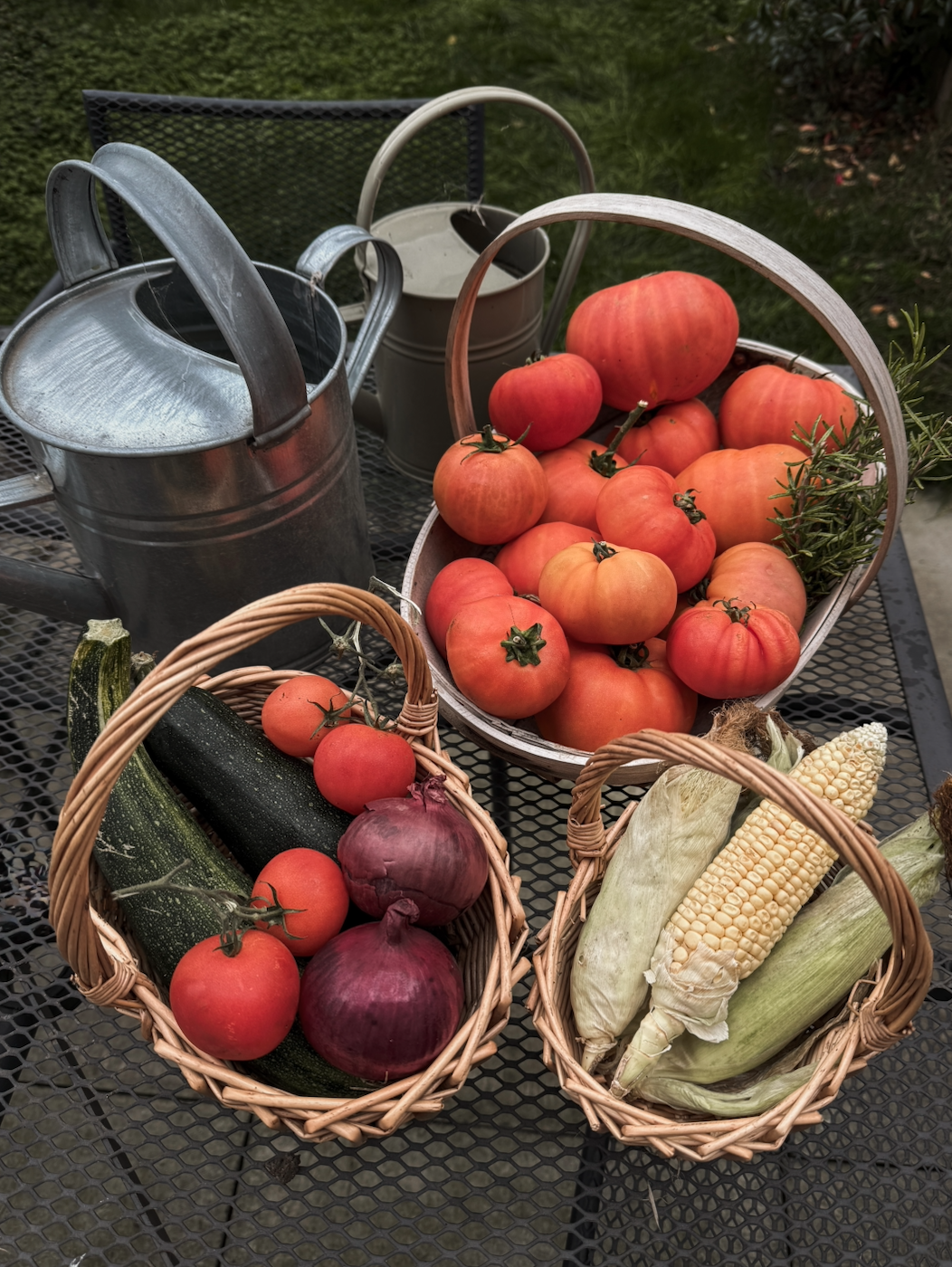
There’s a point every year when the allotment naturally slows down. The evenings draw in, growth slows, and it becomes less about planting and more about tidying, protecting and preparing. Autumn is that moment of winding things down so that by spring, everything feels ready to start again.
Clearing Beds
One of the first jobs is clearing spent plants and cutting back what won’t survive the colder months. I like to get beds emptied, compost what I can, and dig over the soil so it’s not left in a tangled mess.

Protecting Perennials
Anything that’s staying put – think things like fruit bushes, rhubarb crowns, asparagus, artichoke – gets a bit of attention now. A mulch or layer of compost helps protect them through winter and gives them a head start when the weather warms.
Planting Garlic and Onions
Autumn isn’t just about closing down completely, there are still a few crops that benefit from going in now. Garlic and overwintering onions are simple, reliable, and feel like an easy win when you see the first shoots in early spring.
Covering Beds
Once beds are cleared, I cover as many as possible. A layer of mulch, cardboard, or even just sheeting helps suppress weeds and stops the soil from being washed bare by the winter rain.
Tidying Structures and Tools
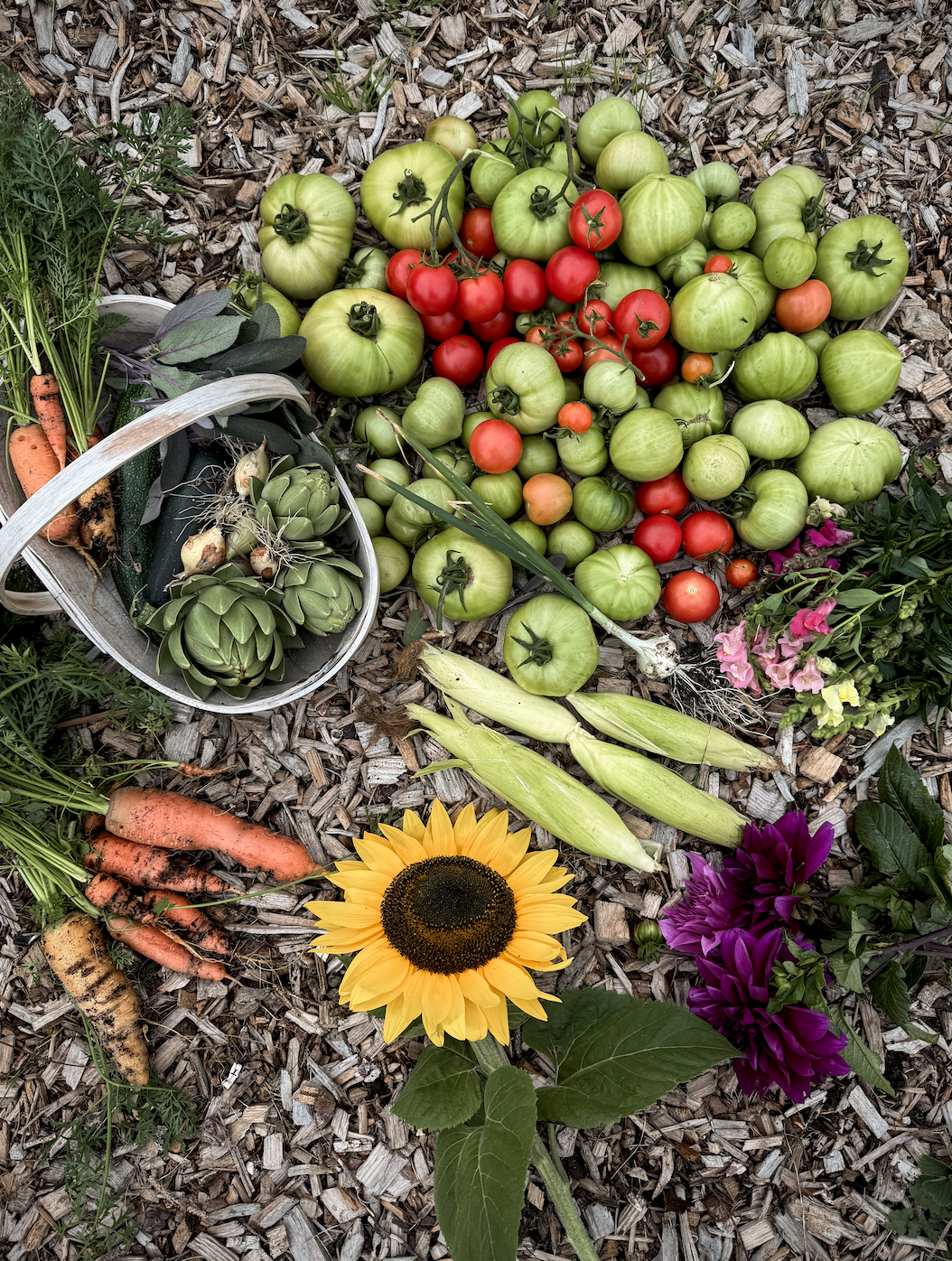
Autumn is also a good time to get the practical jobs out of the way. Checking supports, cleaning tools, and putting things back in order makes a difference when you’re ready to pick it all up again in spring.
Closing down the allotment for the season always feels a little bittersweet, but there’s something grounding about it too. It’s the pause before the next cycle begins, and a reminder that rest is as much a part of the process as growth.